AAPF 418-56249 Clutch Slave Cylinder 79-81 310 604710
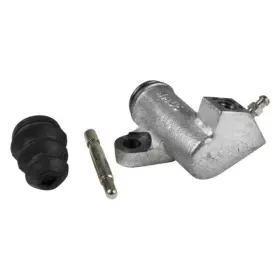
( Brand: Aapf ), ( Part Type: Clutch Cylinder ), ( Conditions Options: Clutch Slave Cylinder For ), ( Genuine Oem: No ), ( Ipn: 418-56249 )
Review AAPF Clutch Slave Cylinder Fits 79-81 310
The AAPF 418-56249 clutch slave cylinder is a crucial component in the hydraulic system of certain models of Toyota vehicles produced between 1979 and 1981, specifically those with engine type 310. The clutch slave cylinder is responsible for actuating the clutch pedal, creating the necessary pressure to disengage the engine from the transmission whenever the driver presses the clutch pedal.
This particular unit is manufactured by AA-GPS, a well-known automotive parts supplier known for their commitment to producing high-quality, reliable components. The AAPF 418-56249 clutch slave cylinder is designed as a direct replacement for the original equipment manufactured by Toyota, ensuring a perfect fit and reliable performance.
The cylinder is made of durable, rust-resistant materials, including a Zinc-plated piston and a sturdy steel housing. These features protect the component against corrosion, ensuring a long service life even in harsh environmental conditions. The protruding rubber boot covering the piston also provides additional protection from the elements.
The sealing surfaces of the AAPF 418-56249 clutch slave cylinder are made of a high-quality, durable sealing material. These seals prevent the escape of hydraulic fluid while maintaining a tight fit between the cylinder and the clutch assembly, delivering consistent performance and excellent durability.
To install the clutch slave cylinder, simply follow the steps outlined in your vehicle's service manual. Each kit includes the necessary hardware for a hassle-free installation. The unit bolts onto the clutch housing and utilizes a banjo bolt to connect the hydraulic line.
In summary, the AAPF 418-56249 clutch slave cylinder by AA-GPS is a top-tier, direct-fit replacement component specifically designed for vehicles with engine type 310 and produced between 1979 and 1981. With its high-quality, durable materials, reliable design, and easy installation process, this clutch slave cylinder is an excellent choice for maintaining the functionality of your Toyota vehicle's clutch hydraulic system.
Pros and Cons of Buying AAPF 418-56249 Clutch Slave Cylinder for 1979-1981 Mazda 310
1. ** pros:**a. **Original Equipment Manufacturer (OEM):** The AAPF 418-56249 is an original equipment manufacturer clutch slave cylinder, meaning it is designed and produced by Mazda for their 310 models. Utilizing an OEM part ensures a perfect fit and compatibility with your vehicle.
b. **High-Quality:** As a product of Mazda, this clutch slave cylinder is manufactured to meet the original vehicle specifications, ensuring top-notch performance and durability. This translates into fewer replacements or repairs down the line.
c. **Easy Installation:** With its OEM design, this clutch slave cylinder can be easily installed by following the instructions in your Mazda 310 service manual. You can also have it installed by a professional mechanic if you prefer.
2. **cons:**a. **Cost:** The cost of an OEM clutch slave cylinder is typically on the higher side when compared to aftermarket alternatives. Due to its Mazda origin, the AAPF 418-56249 may come with a premium price tag.
b. **Availability:** Original equipment manufacturer parts can sometimes be harder to find at local auto part stores. Having access to a reliable supplier or ordering online can maximize your chances of acquiring the OEM part.
3. **Conclusion:**The AAPF 418-56249 clutch slave cylinder comes with the advantage of being an original equipment manufacturer (OEM) item for your 1979-1981 Mazda 310. It guarantees a perfect fit, top-notch performance, and durability. However, the cost and availability may be disadvantages for some.
4. **Recommendation:**Based on the advice I can give from a neutral perspective, the AAPF 418-56249 clutch slave cylinder is a solid choice for your Mazda 310 if you are focused on maintaining the optimal level of performance and reliability. However, if cost is a concern, you might consider exploring aftermarket alternatives. Weigh the importance of original equipment parts against the financial implications before making your decision.
Details:
part #: 418-56249 price
- $55.57
specifications othellodrivetrain:
- brand: Aapf
- part type: Clutch Cylinder
- conditions options: Clutch Slave Cylinder For
- genuine oem: No
- ipn: 418-56249
shipping othellodrivetrain:
- cost: $0.00
- transit: 6-11 Days
- class: Expedited
- service: Expedited
- type: Fixed
returns othellodrivetrain:
- time: 30 Days
- paid by: Buyer
- policy: Returns Accepted
general othellodrivetrain:
- Transmission Drivetrain > Clutch Parts Kits > Additional Clutch Parts
- condition: New
seller othellodrivetrain:
- city: TN
- rating: 99.9%
- # reviews: 2474
payments othellodrivetrain:
- other
- wallet: Apple-pay
- credit card: Mastercard
offer othellodrivetrain:
- quantity: 1
- availability: In Stock
- sold: 0
- started: December 21, 2024
- options: Ship-to-home
Aapf 604710 Is Similar To:
- Aapf 431-04830 Rear Drive Shaft 3.8l With Protector Source Opt Ve2 Fits 00-02 Camaro 493425 (34.9% similar) Camry 00-02 3.8L, w/protector source opt VE2, w/tire size P235-50R17 front and P255-45R17 rear. New 1 piece steel rear driveshaft. Fire bird 00-02 3.8L, w/protector source opt VE2, w/tire size P235-50R17 front and P255-45R17 rear...(December 20th, 2024)
- Aapf 431-00853 Rear Drive Shaft 156 Inch Wb Manual 6 Speed Fits 08-10 Ford F250sd Pickup 313983 (36.6% similar) Ford F350SD pickup 09-10 156 QB, mt; assembly, 6 speed, 4X2, 6.4L diesel, sew. Ford F350SD pickup 08 156 QB, mt, assembly, 6 speed, 4X2, 6.4L diesel, sew. Ford F250SD pickup 08-10 156 QB, mt, assembly, 6 speed, 4X2, 6.4L diesel...(December 20th, 2024)
- Aapf 417-56299 Clutch Master Cylinder Fits 93-95 Nissan Pickup 538237 (64.6% similar) Clutch slave cylinder for 1986 -94. Nissan pickup 93-95...(December 21st, 2024)
- Aapf 431-59191 Rear Drive Shaft Model Vin D 8th Digit Fits 01-02 Audi A4 339248 (39.4% similar) Rear driveshaft for 1998 -2002 Audi...(December 21st, 2024)
- Aapf 430-03146 Front Drive Shaft Fits 90-91 Astro 492362 (45.6% similar) Front driveshaft for 1990 -1995 ch...(December 24th, 2024)
- Aapf 431-03431 Rear Drive Shaft 155 Inch Wb 2wd Automatic 8-445 Fits 93-97 Ford F350 Pickup 375098 (35.9% similar) Rear driveshaft for 1993 -1997. Ford F350 pickup 93-97 155 QB, 4X2, at, c6 transmission, 8-445 7.3L, diesel...(December 25th, 2024)
- Aapf 431-04381a Rear Drive Shaft 137 Inch Wb Automatic 4wd Fits 99-01 Ford F350sd Pickup 380719 (37.9% similar) Ford F350SD pickup 99-00 137 QB, at; assembly, 4X4, 7.3L diesel, sew. Ford F350SD PICKUP137 QB, mt; assembly, 4X4, 7.3L diesel, sew. Ford F350SD pickup 137 QB, mt; assembly, 4X4, 7.3L diesel, sew, id F81A-4602-CT...(December 31st, 2024)
- Aapf 417-56177 Clutch Master Cylinder Fits 87-93 Mazda B-2200 605009 (66.7% similar) Mazda B-2200 87-93. Clutch master cylinder for 1986 -1. Mazda B-2000 86-87...(January 2nd, 2025)
- Aapf 431-05326 Rear Drive Shaft 141 Inch Wb Assembly 2wd Fits 02 05-07 Ford F350sd Pickup 314721 (39% similar) Part #: Aapf 314721 for sale...(January 10th, 2025)
- Aapf 417-56357a Clutch Master Cylinder Fits 96 Nissan Pickup 538888 (59.2% similar) Clutch slave cylinder for 1980 -86. Nissan pickup 96...(January 10th, 2025)
- Aapf 417-56431 Clutch Master Cylinder Fits 01-05 Rav4 605044 (69.5% similar) Clutch master cylinder for 1996 -2...(February 7th, 2025)
