INFINITI 405.IN1V19 Transmission Oil Cooling Heat Exchanger Q60 Line Pipe
fits make: Infiniti. year: 2017–2022.
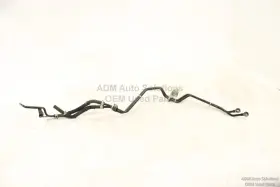
( Genuine Oem: Yes ), ( Ipn: 405.in1v19 ), ( Year: 2019 ), ( Vintage Part: No ), ( Material: Aluminum, Metal, Steel ), ( Warranty: 60 Day ), ( Features: 100 Leak Tested, No Drilling Or Modifications Needed For Installation ), ( Type: Oil Cooler Line )
Review INFINITI Q60 Transmission Oil Cooling Heat Exchanger Line Pipe Oem fits 2017–2022
Introducing the Infiniti Q60 2017-2022 Transmission Oil Cooling Heat Exchanger Line Pipe (Part Number: 405.IN1V19), an essential component designed to ensure optimal performance and longevity of your Infiniti Q60's transmission system.
This line pipe is a crucial element of the vehicle's transmission oil cooling system. It facilitates the circulation of transmission oil through the heat exchanger, allowing it to absorb heat and maintain an appropriate temperature. The effective heat dissipation provided by this component ensures that the transmission operates smoothly under various driving conditions.
Manufactured to meet the highest standards, the Infiniti 405.IN1V19 Transmission Oil Cooling Heat Exchanger Line Pipe is made from premium materials. The pipe is engineered using high-strength steel, ensuring durability and resistance to corrosion. Its robust construction enables it to withstand the extreme temperatures and pressures encountered within the transmission system.
The pipe features an advanced design with smooth internal surfaces and precise dimensions to minimize turbulence and ensure efficient transmission oil flow. This results in reduced friction and wear on the internal components, contributing to the overall longevity and reliability of the transmission system.
Installation of the Infiniti Q60 2017-2022 Transmission Oil Cooling Heat Exchanger Line Pipe is a straightforward process. It is designed to fit seamlessly into the existing system, ensuring a perfect fit and easy integration with other components. The pipe comes equipped with all necessary mounting hardware, simplifying the installation procedure.
In conclusion, the Infiniti 405.IN1V19 2017-2022 Q60 Transmission Oil Cooling Heat Exchanger Line Pipe is an essential upgrade for Infiniti Q60 owners looking to maintain the optimal performance and longevity of their vehicle's transmission system. Its robust construction, efficient design, and easy installation make it an indispensable addition to your Infiniti Q60.
Buying a new transmission oil cooling heat exchanger line pipe for a 2017-2022 Infiniti Q60 can be an essential investment for maintaining the vehicle's performance and longevity. Here are some pros and cons to consider before making a purchase.
Pros:1. Improved cooling efficiency: A new transmission oil cooling heat exchanger line pipe ensures efficient cooling of the transmission oil, preventing it from overheating and reducing the risk of transmission damage.
2. Enhanced durability: OEM (original equipment manufacturer) parts are designed to last longer than aftermarket alternatives, ensuring reliable performance and fewer replacement costs in the future.
3. Peace of mind: Using OEM parts for your vehicle can provide peace of mind knowing that the part is specifically designed for your Infiniti Q60, ensuring a proper fit and function.
Cons:1. Cost: Replacing the transmission oil cooling heat exchanger line pipe can be an expensive repair, and the cost may vary depending on the labor and parts involved.
2. Availability: Depending on the location and availability of the parts, it may take some time to source and install the new transmission oil cooling heat exchanger line pipe.
3. Convenience: The repair process may require a significant amount of time and effort, including scheduling the appointment, transportation to the repair shop, and waiting for the repair to be completed.
In conclusion, while replacing the transmission oil cooling heat exchanger line pipe for a 2017-2022 Infiniti Q60 may be an expensive and inconvenient repair, the benefits of improved cooling efficiency, enhanced durability, and peace of mind make it a worthwhile investment. It is recommended that you consider the cost and availability of the part and weigh the long-term benefits before making a decision. If you choose to proceed with the repair, it is advisable to use an OEM part for optimal performance and reliability.
Details:
specifications othellodrivetrain:
- for makes: Infiniti
- for years: 2017-2022
- genuine oem: Yes
- ipn: 405.in1v19
- year: 2019
- vintage part: No
- material: Aluminum, Metal, Steel
- warranty: 60 Day
- features: 100 Leak Tested, No Drilling Or Modifications Needed For Installation
- type: Oil Cooler Line
seller othellodrivetrain:
- rating: 100.0%
- # reviews: 152
- city: Feasterville-Trevose, Pennsylvania
shipping othellodrivetrain:
- class: Standard
- transit: 4-9 Days
- type: Fixed
- cost: $0.00
- service: Standard
payments othellodrivetrain:
- wallet: Google-pay
- credit card: Diners-club
- other
offer othellodrivetrain:
- sold: 0
- quantity: 1
- availability: In Stock
- options: Ship-to-home
- best offers: True
- started: April 25, 2026
returns othellodrivetrain:
- paid by: Seller
- time: 60 Days
- policy: Returns Accepted
general othellodrivetrain:
- Car Truck Parts Accessories > Transmission Drivetrain > Oil Coolers Lines
- condition: Used
Infiniti Is Similar To:
- Infiniti 11320-ag000 03-06 G35 Sedan Automatic Transmission Mount Assembly Oem (46.7% similar) 03-06 infiniti G35 sedan automatic transmission mount assembly oem. 2003 2004 2005 2006 ...(May 27th, 2024)
- Infiniti 409-59263 Flywheel flex Plate Automatic Transmission 3.0l Fits 16-19 Q50 (41.2% similar) Part #: infiniti 274076 for sale...(June 15th, 2024)
- Infiniti 412-51339 2009 Fx Transfer Case Assembly Oem 118k Miles Lkq 257881137 (40.7% similar) This is not a manufacturer part number, and can be disregarded. Will fit: infiniti Fox 2009 -2013 at, 5.0L. No photos of the actual transfer case assembly are available. Residential address - load is curbside delivery only someone over 18 must be present for. Daytime phone number is required...(July 8th, 2024)
- Infiniti 412-10084 2018 Qx30 Transfer Case Assembly Oem 69k Miles Lkq334789331 (41.4% similar) Daytime phone number is required load will not deliver until appointment scheduled. Residential address - load is curbside delivery only someone over 18 must be present for. They will not have any packaging included. This is not a manufacturer part number, and can be disregarded...(July 11th, 2024)
- Infiniti 422.in1306 Fx Series Transmission Crossmember Mount Brace Automatic 4x4 Oem (50.9% similar) Standard warranty...(July 12th, 2024)
- Infiniti 412-51370 2012 Qx56 Transfer Case Assembly Oem 148k Miles Lkq323752659 (42.4% similar) Attention: stock photo shows multiple items. Residential address - load is curbside delivery only someone over 18 must be present for. This is not a manufacturer part number, and can be disregarded. Will fit: infiniti QX56 2011 -2012. No photos of the actual transfer case assembly are available...(July 20th, 2024)
- Infiniti 431-59800 2016-19 Q50 Oem Rear Drive Shaft 2.0l Rwd (32.2% similar) ...(July 25th, 2024)
- Infiniti 440.in1o12 10-15 G37 q60 09-13 Ex35 37 Rwd Carrier Right Pngr Side Flange Oem 38220-1nc0a (39.6% similar) 10-15 G37/Q60 09-13 EX35/37 RWD carrier right Negro side flange oem 38220-1NC0A. Stock: 230083.: good condition. Condition: SD, RWD Rh side flange. Donor vehicle: 2012 G37. Part number s: 38220-1NC0A...(August 2nd, 2024)
- Infiniti 440-50554 11-12 G25 Sedan Rear Carrier Assy 3.357 Rwd Oem 38301eg35b (39.8% similar) Inventory id: 399039. Condition: rear carrier assay.: good condition. Stock: 240054. 11-12 infiniti G25 sedan rear carrier assay 3.357 RWD oem 38301EG35B. Part number. Donor vehicle: 2011 G25...(August 2nd, 2024)
- Infiniti 416.in1o10 G37 Automatic Transmission Oil Pan 2009 2010 2011 2012 2013 (48.8% similar) Warranty: all parts come with our standard 60 day warranty. Stock number - 2433. It is stored in doors and ready to be shipped. Donor vehicle - 2010 G37. 4 ,3.7,AT,AWD...(August 3rd, 2024)
- Infiniti 963.in1o10 G37 Automatic Transmission Oil Cooler Line Tube Hose 2009 2010 2011 20 (55.9% similar) Stock number - 2433. It is stored in doors and ready to be shipped. Warranty: all parts come with our standard 60 day warranty. Donor vehicle - 2010 G37...(August 6th, 2024)
